October 16, 2025
The Hidden Symphony
How Plant Microbiomes Orchestrate Ecosystem Health
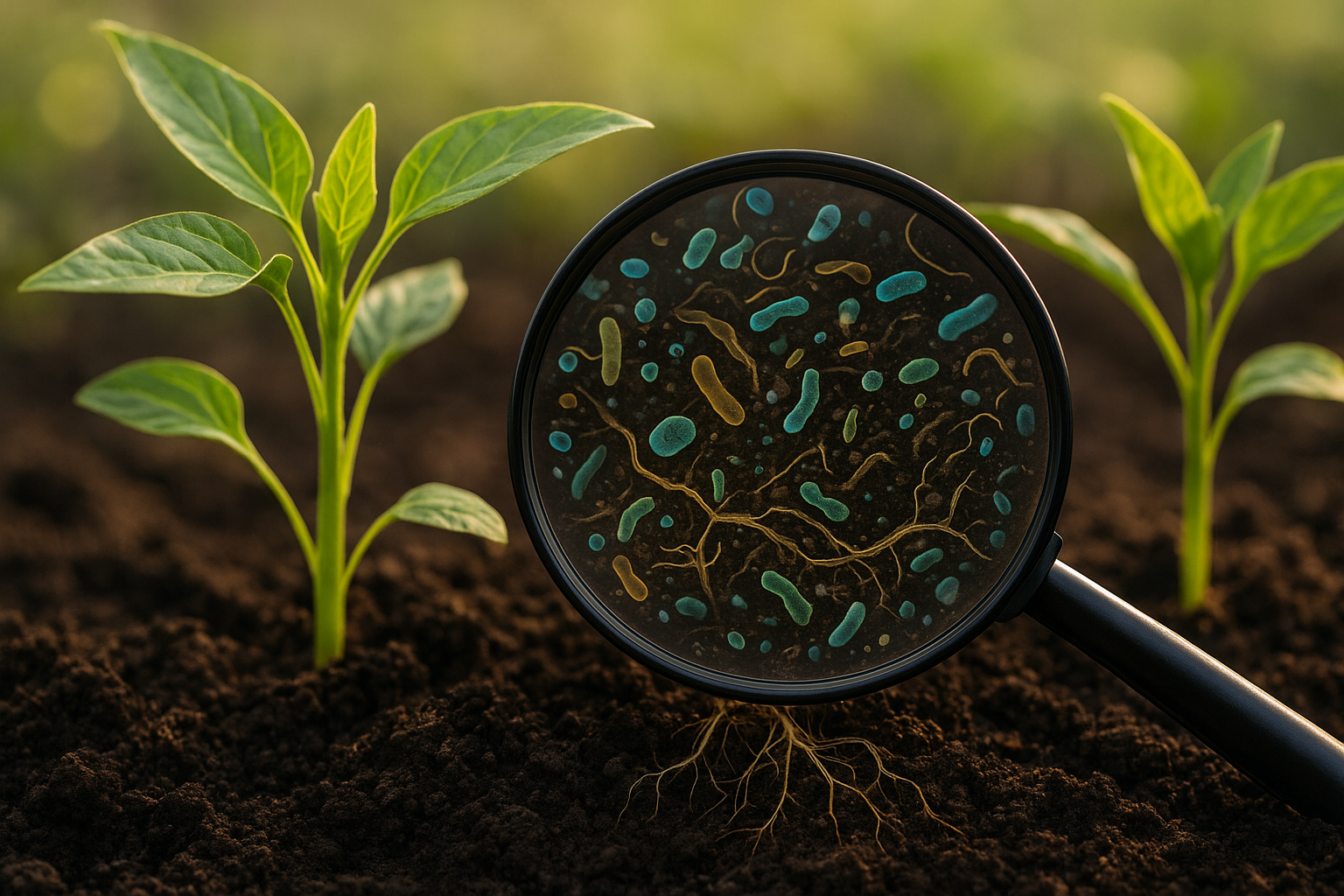
When we think of forests, meadows, or gardens, we often envision trees, flowers, and insects. But beneath every leaf and behind every root exists a bustling, microscopic ecosystem—the plant microbiome—that orchestrates crucial life processes invisible to the naked eye.
What Is the Plant Microbiome?
The plant microbiome comprises the bacteria, fungi, archaea, and viruses living in association with plants—on their surfaces (phyllosphere), roots (rhizosphere), inside tissues (endosphere), or even within seeds. Though tiny, these microbial communities wield substantial influence over plant health, growth, and resilience.
How Plants and Microbes Interact
Nutrient Exchange: Some bacteria fix atmospheric nitrogen into forms plants can absorb. Others break down organic matter in soil, releasing phosphorus, potassium, and micronutrients.
Disease Protection: Beneficial microbes can outcompete pathogens, secrete antimicrobial compounds, or stimulate plant immune responses.
Stress Resistance: Under drought or salinity, certain microbes help plants regulate water usage, produce stress-alleviating hormones like abscisic acid, or enhance root growth.
Growth Promotion: Some microbes produce plant hormones (e.g., auxins) that stimulate root branching and plant vigor.
Real-World Importance & Applications
Sustainable Agriculture: Instead of heavy fertilizers and pesticides, harnessing plant microbiomes is a pathway to eco-friendly farming. Microbial biofertilizers and biocontrol agents are becoming commercially viable.
Restoring Degraded Land: In areas depleted by mining or overuse, introducing beneficial microbes helps regenerate soil structure and fertility.
Climate Resilience: As climate extremes intensify, plants reliant on microbiomes can better withstand drought, heat, or disease pressures—key for food security.
Challenges and Ethical Considerations
Microbial Introductions: Introducing engineered or foreign microbes carries risk of disturbing native ecosystems or creating unintended dominance behaviors.
Equity in Access: Farmers in developing regions may lack access to microbiome-based products, widening technology gaps.
Intellectual Property: Who owns microbial strains derived from wild soils? Benefit-sharing with local communities must be considered.
? The Way Forward
Research in plant microbiomes is exploding—tools like metagenomics allow scientists to “read” microbial DNA and map community functions. With future innovations, we might engineer soil microbiomes to boost crop yields, sequester carbon, or adapt plants to extreme climates.
In the hidden symphony between plants and microbes lies one of Earth’s greatest strategies for resilience. When we nurture that partnership, we nurture life itself.